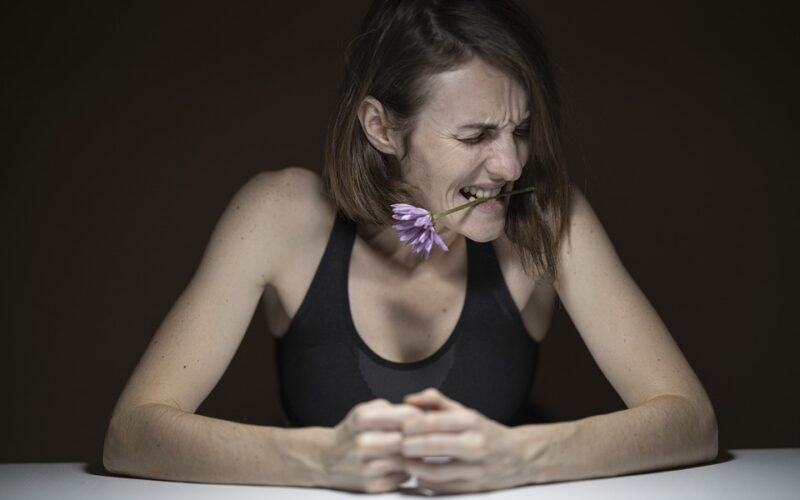
Passive-aggressive behaviour is a way of expressing negative feelings indirectly rather than addressing them head-on. Instead of saying "I'm upset with you," a passive-aggressive partner might give you the silent treatment, make backhanded comments, or agree to do something and then quietly sabotage it. It's a communication style rooted in avoidance, and it can leave the other person feeling confused, frustrated, and emotionally drained.
Signs your partner may be passive-aggressive
Recognising passive-aggression can be tricky because it rarely looks like open conflict. Common signs include persistent sulking, sarcasm disguised as humour, procrastinating on tasks they've agreed to, and denying that anything is wrong despite their obvious behaviour suggesting otherwise. You might also notice subtle digs about your choices, or a pattern of "forgetting" things that matter to you. Over time, these behaviours create a cycle of tension that never quite gets resolved.
Why do people behave this way?
Passive-aggressive behaviour often stems from a difficulty expressing emotions directly. Many people who communicate this way grew up in environments where open conflict was discouraged or even punished. As a result, they learnt to suppress frustration and express it through indirect means. In adult relationships, this can become a default coping mechanism — one they may not even be fully aware of. Understanding this doesn't excuse the behaviour, but it does help explain where it comes from.
How it affects the relationship
Living with a passive-aggressive partner takes a toll. Conversations become a minefield, and disagreements rarely reach a resolution because the real issue is never properly named. The recipient of passive-aggression often ends up second-guessing themselves, wondering whether they're overreacting or misreading the situation. This kind of emotional ambiguity erodes trust gradually and can lead to deep resentment on both sides if left unaddressed.
How to respond without escalating conflict
When you're on the receiving end of passive-aggressive behaviour, reacting with frustration is natural — but it tends to make things worse. A more effective approach is to name what you're observing calmly and without accusation. For example, rather than saying "You're being passive-aggressive," try "I've noticed you've gone quiet since our conversation earlier — is something bothering you?" This opens a door without putting your partner on the defensive. Staying curious rather than combative creates space for genuine dialogue.
Can things improve?
Yes, but it requires effort from both partners. The person exhibiting passive-aggressive behaviour needs to develop greater emotional awareness and learn how to express their needs directly. The other partner benefits from setting clear boundaries and consistently encouraging open communication. Couples therapy can be particularly valuable here, offering a structured environment where both people can practise healthier ways of relating. Progress is rarely linear, but with commitment, patterns that have built up over years can shift meaningfully.
Moving forward together
Passive-aggression thrives in silence. The longer it goes unacknowledged, the more entrenched the dynamic becomes. If you recognise these patterns in your relationship, the most important step is to start talking about them honestly — ideally with the support of a professional. A healthier relationship isn't about never having conflict; it's about learning to navigate it with honesty and respect.